Tips for Dog Owners

Are Organic Dog Treats Worth It? Benefits, Label Decoder, and Homemade Recipe
Organic dog treats reduce exposure to synthetic pesticides and GMOs, and matter most for dogs with allergies or sensitivities. For most healthy dogs, a single-ingredient natural chew delivers the same practical benefit — no chemicals, no fillers — without the price premium of USDA Organic certification. Below: what "organic" and "natural" actually mean on a label, what to look for, and a homemade peanut butter recipe.

Can Dogs Eat Bananas? Safe Serving Sizes, Risks, and a Banana Dog Treat Recipe
Yes, dogs can eat bananas safely in moderation. Bananas are a low-sodium source of potassium, vitamin B6, vitamin C, and fiber. Skip the peel — it's not toxic but it's hard to digest. Cap servings at about 1–2 small slices per day for a 50-lb dog due to sugar. Below: safe serving sizes by weight, a fruit comparison table, and a five-ingredient banana dog treat recipe.

What Should You Do Before Giving Your Dog a Treat? The 5-Step Safety Checklist (2026)
Before giving your dog a treat, run a 5-step safety check: read the ingredient label, size-match the treat, confirm calorie fit, watch the first 24 hours, and ask for calm behavior. This guide walks through each step plus a two-ingredient sweet potato chew recipe.

What Are the Best Meaty Treats for Dogs? Safe Proteins, Calorie Guide & Homemade Jerky Recipe (2026)
The best meaty treats for dogs are single-ingredient, air-dried or dehydrated cuts of beef, chicken, lamb, duck, or fish. This guide compares proteins, fat levels, and calorie content, recommends BSC single-ingredient chews, and shares a one-ingredient homemade beef jerky recipe.

What Are the Best Wheat-Free Dog Treat Recipes? (2026 Guide)
Discover the best wheat-free dog treat recipes using oat, coconut, and chickpea flour plus whole foods like pumpkin and sweet potato. Includes easy step-by-step recipes, a flour comparison, serving guide, and naturally wheat-free single-ingredient chews for daily use.

Can Dogs Have Ice Cream? Safe Dog Ice Cream Treats (2026)
Dogs shouldn't eat regular ice cream, but dog-safe frozen treats made from banana, plain xylitol-free yogurt, and xylitol-free peanut butter are a refreshing way to cool them down. Keep treats under 10% of daily calories, and choose single-ingredient chews like bully sticks for everyday chewing.

Are Salmon Dog Treats Good for Dogs? A Complete 2026 Guide
Yes — salmon dog treats are an excellent, omega-3-rich snack that supports skin, coat, and immune health. The best ones are single-ingredient and free of fillers. Here is how to choose, serve, and make them.

No-Bake Dog Treat Recipes: How Do You Make Healthy Dog Treats Without an Oven? (2026)
No-bake dog treats come together in about 10 minutes with a few safe pantry staples — pumpkin, xylitol-free peanut butter, oats — plus a fridge to set them. Here are three vet-informed recipes, an ingredient safety table, storage guidance, and when a single-ingredient chew is the better choice.

What Are the Best Meat Treats for Dogs? Single-Ingredient Guide (2026)
The best meat treats for dogs are single-ingredient, 100% real meat chews that are fully digestible, with no rawhide, fillers, or chemical preservatives. Read the label, match the chew to your dog's size and chewing style, and keep treats under 10% of daily calories.

What Are the Best Dog Treats for Big Dogs? A 2026 Guide to Large-Breed Chews
The best dog treats for big dogs are single-ingredient, fully digestible natural chews sized for large jaws — think 12-inch bully sticks, beef cheek rolls, and trachea tubes. No rawhide, no fillers. This guide covers what to look for, how many treats per day, and which chews stand up to power chewers.

What Are the Best Two-Ingredient Dog Treat Recipes? (2026 Guide)
The best two-ingredient dog treats use one whole protein or fruit plus one safe binder—like banana and peanut butter, or pumpkin and yogurt. They take minutes, contain no mystery additives, and pair perfectly with single-ingredient, fully digestible chews for everyday rewarding.

What Are the Best Simple Dog Treats? Easy Homemade Recipes (2026)
Simple dog treats are homemade snacks made from a handful of safe, whole-food ingredients like peanut butter, sweet potato, and pumpkin. They let you control exactly what your dog eats while pairing perfectly with single-ingredient chews for daily enrichment.

How Do You Make Pet Treats at Home? A 2026 Step-by-Step Guide
To make pet treats at home, bake simple single-ingredient or whole-food recipes like dehydrated chicken or sweet potato chews. Use safe ingredients, keep treats low in fat and sugar, and pair homemade snacks with long-lasting single-ingredient chews for daily chewing needs.

What Are the Best Ingredients for Dog Treats? (2026 Guide)
The best dog treat ingredients are single, recognizable whole foods: lean proteins, dog-safe fruits and vegetables, and natural chews. Skip xylitol, chocolate, grapes, and onions. Single-ingredient chews are the safest store-bought option.

How Do You Make Easy Bake Dog Treats at Home? (2026 Recipes + Safety Guide)
Easy bake dog treats need just 3-4 pantry ingredients — flour, oats, peanut butter or pumpkin — and about 40 minutes in a 350°F oven. This guide covers two vet-safe recipes, an ingredient safety table, storage times, and when a single-ingredient chew is the better choice.

What Are the Best Treat Recipes for Dogs? (2026 Guide)
The best dog treat recipes use simple, single-ingredient foods like peanut butter, sweet potato, and lean meat. Bake at low heat, keep portions small, and pair homemade treats with single-ingredient chews for balanced, healthy snacking.

What Are the Best Natural Dog Treats in 2026? A Complete Guide
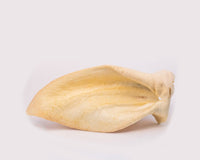
The best natural dog treats are single-ingredient, fully digestible chews made from 100% real meat with no rawhide, additives, or fillers. Think bully sticks, beef cheek rolls, cow ears, and trachea tubes — ethically sourced and vet-friendly.

How Do You Make Homemade Pet Treats? Safe Dog Treat Recipes & Tips (2026)
Homemade pet treats are easy: combine a real-meat protein or dog-safe produce like pumpkin or sweet potato with a simple binder, bake, and store in the fridge. This guide covers three vet-friendly recipes, a safe-vs-unsafe ingredient table, storage rules, and when a single-ingredient natural chew is the better choice.

What Homemade Dog Treats Can You Make? 3 Easy Vet-Friendly Recipes (2026)
The easiest homemade dog treats to make are peanut butter–banana cookies, chicken and rice bites, and sweet potato–apple chew sticks — all built from a handful of dog-safe, single-ingredient-style foods. Skip xylitol, chocolate, grapes, and onions, keep treats under 10% of daily calories, and pair baking days with fully digestible natural chews.

Are Marrow Bones Safe for Dogs? A Complete 2026 Guide
Marrow bones can give dogs minerals, healthy fats, and hours of enrichment, but safety depends on type and supervision. Here is how to choose, serve, and pair them with safer single-ingredient chews from Bully Sticks Central.

Are Knuckle Bones Good for Dogs? Benefits, Safety & Serving Guide (2026)
Knuckle bones are a natural, long-lasting chew that supports dental health and mental stimulation. Choose raw, single-ingredient bones sized to your dog, always supervise, and pair with safer digestible chews for daily use.

What Are the Best Healthy Dog Treat Recipes? (2026 Guide)
The best healthy dog treat recipes use whole, single-ingredient foods like pumpkin, sweet potato, and lean chicken—no preservatives or fillers. Bake them at 350°F for 25-30 minutes. For everyday chewing, pair homemade treats with single-ingredient, fully digestible chews like bully sticks.

How Do You Treat Gas in Dogs? Simple Fixes That Actually Work (2026)
Most dog gas comes down to diet: hard-to-digest fillers, table scraps, dairy, or eating too fast. Treat it by switching to easily digestible food, slowing meals, adding vet-approved probiotics, and choosing single-ingredient, fully digestible chews instead of rawhide. Sudden or severe gas with vomiting or diarrhea warrants a vet visit.

What Are the Healthiest Soft Treats for Dogs? (2026 Guide)
The healthiest soft treats for dogs are single-ingredient, fully digestible, real-meat chews with no rawhide or fillers. Soft options like beef trachea, cheek rolls, and tendons are gentle on aging teeth while delivering real protein and nutrients.

How Do You Make Soft Dog Treats at Home? Easy 3-Ingredient Recipe (2026)
Soft dog treats are easy to make at home with three simple ingredients: lean cooked meat, pumpkin or sweet potato puree, and oat flour. Bake at 350°F for 15-20 minutes for a chewy, gentle treat that's perfect for puppies, senior dogs, and dogs with dental sensitivities.

How Do You Make Three-Ingredient Pumpkin Dog Treats? (2026 Recipe & Guide)
Three-ingredient pumpkin dog treats need only canned pumpkin puree, xylitol-free peanut butter, and an egg. Mix, shape, and bake at 350°F for 20–25 minutes for a healthy, fiber-rich homemade snack most dogs love and digest easily.

How Do You Make Chicken Liver Dog Treats? (2026 Guide)
Chicken liver dog treats are easy to make with simple ingredients. Bake liver, flour, and egg at 350°F for 20-25 minutes. For everyday chewing, pair them with single-ingredient, fully digestible chews from Bully Sticks Central. Here's the recipe, serving guide, and safety tips.

Are Apple Treats Good for Dogs? Benefits, Recipe & Serving Guide (2026)
Yes, apples are a safe, healthy treat for most dogs when the core and seeds are removed. Apples deliver vitamins A and C plus fiber. Here is a simple homemade apple treat recipe, safe serving sizes, and how apples pair with single-ingredient chews.

Cheese Dog Treats Recipes: How Do You Make Safe Homemade Cheese Treats for Dogs? (2026)
Yes, most dogs can enjoy cheese in moderation. The best cheese dog treats recipes use low-fat mozzarella or cottage cheese, whole wheat flour, and eggs — nothing else. This guide covers which cheeses are safe, a simple 4-ingredient biscuit recipe, serving sizes by dog weight, and what to pair them with.

Can Dogs Have Turmeric? An Easy Turmeric Dog Treats Recipe (2026)
Yes, dogs can have turmeric in small amounts. This easy turmeric dog treats recipe pairs anti-inflammatory turmeric with coconut oil and pumpkin for better absorption. Bake a batch in under 30 minutes, then pair with single-ingredient, fully digestible chews for a balanced treat routine.